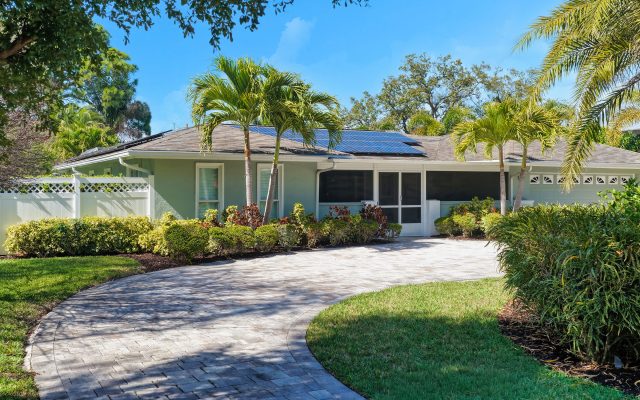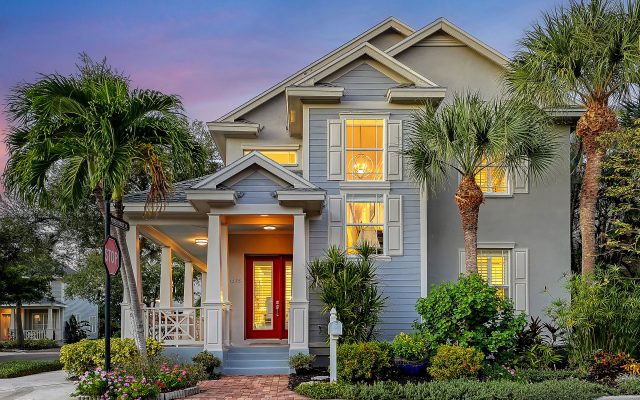

Below are the most commonly recommended measures from a home energy evaluation that can help you save energy and save money — resulting in a better, more efficient, and more comfortable building.
1. Seal air leaks around floors, walls, ceilings, windows, doors, and fireplaces with caulk, spray foam, and weather stripping. Warm air leaking into your home during the summer and out of your home during the winter can waste a lot of your energy dollars. The potential energy savings from reducing drafts in a home may range from 5% to 30% per year, and the home is generally much more comfortable afterward.
2. Add insulation to the attic, crawl space or basement, and exterior walls in conjunction with air sealing to help keep your house cool in the summer and warm in the winter. Increasing your home’s insulation is one of the fastest and most cost-effective ways to reduce energy waste.
3. Install more energy efficient windows, doors, and skylights by looking for ENERGY STAR products and install storm windows and doors to save energy and improve the comfort of your home. Air infiltrates into and out of your home through every hole and crack. About 20% of this air infiltrates through openings in your windows, doors, and skylights. Storm windows alone can reduce heat loss through windows by 25% to 50%.
4. Install and set programmable thermostats that save energy by automatically regulating your home or building’s temperature when you are home, asleep, or away. You can save as much as 10% a year on your heating and cooling bills by simply turning your thermostat back 10% to 15% for 8 hours.
5. Seal ducts and make sure they are straight and properly connected. Many duct systems are not insulated properly or have gaps or holes where air can leak out. You can lose up to 60% of your conditioned air before it reaches the register if your ducts are not insulated and they travel through unconditioned spaces such as an attic or crawlspace.
6. Tune-up or upgrade heating and cooling systems. Heating and cooling your home uses more energy than any other system in your home. Typically, 43% of a home utility bill goes to heating and cooling. By combining proper equipment maintenance and upgrades with appropriate insulation, air sealing, and thermostat settings, you can cut your energy use for heating and cooling from 20% to 50%.
7. Install an energy-efficient hot water heater, such as an energy-efficient tank water heater or an on-demand tankless water heater. Water heating is the third largest energy expense in your home, typically accounting for about 12% of your utility bill. Also consider using less hot water, turning down the thermostat on your water heater, and insulating your water heater.
8. Install thermostatic control valves in your shower, which shut off the shower once the water turns warm, saving hot water and energy until you are ready to enter the shower.
9. Upgrade household appliances and electronics to ENERGY STAR or ENERGY STAR Most Efficient qualified products. Appliances account for about 15% of your household’s energy consumption, with refrigerators, clothes washers, and clothes dryers at the top of the consumption list.
10. Install energy efficient lighting by choosing ENERGY STAR qualified light bulbs and lighting fixtures for the most used fixtures or light bulbs in your home. An average household dedicates 11% of its energy budget to lighting. Using new lighting technologies can reduce lighting energy use in your home by 50% to 75%.
Source: https://www.energy.gov/eere/why-energy-efficiency-upgrades
Contact Peter @ 941-356-8428 or use this form to contact us.