
Boomers Are Sitting on Nearly $19 Trillion in Real Estate—Here’s Where They Hold the Most Housing Wealth
Baby boomers collectively own an estimated $18 trillion to $19.7 trillion in U.S. real estate, which accounts for around 41% of the nation’s total real estate wealth—despite representing only about 20% of the population. This impressive share is driven by decades of homeownership, steadily appreciating property values, and a deepening generational divide in housing market dynamics.
A recent analysis shows that while boomers—those born between 1946 and 1964—are spread out nationwide, certain metro areas have emerged as magnets for retiree real estate wealth. Notably, Florida dominates the rankings, securing five of the top 10 spots thanks to its warm climate, lack of state income tax, and long-standing appeal among retirees.
Other hotspots include select regions in coastal California and scenic New England, reflecting a broader range of coveted retirement lifestyles.
The rankings are based on three key factors:
- Percentage of homeowners aged 65 and over
- Total property value in each metro
- Estimated value specifically held by older residents
This methodology highlights not just where retirees are living, but where they control some of the country’s most substantial housing wealth.

North Port-Bradenton, FL
- Real estate value held by homeowners 65+: $97 billion
- Share of homeowners 65+: 56%
- Median home price: $495,000
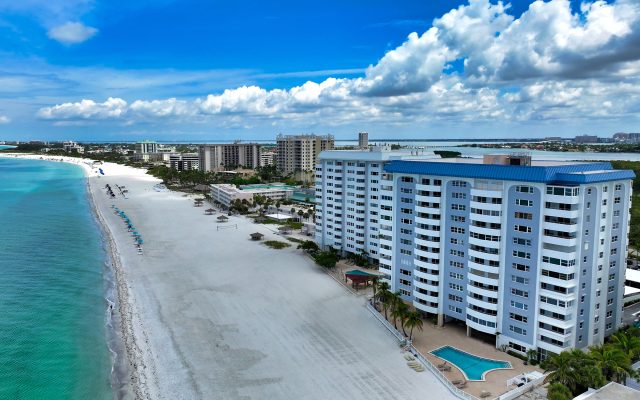
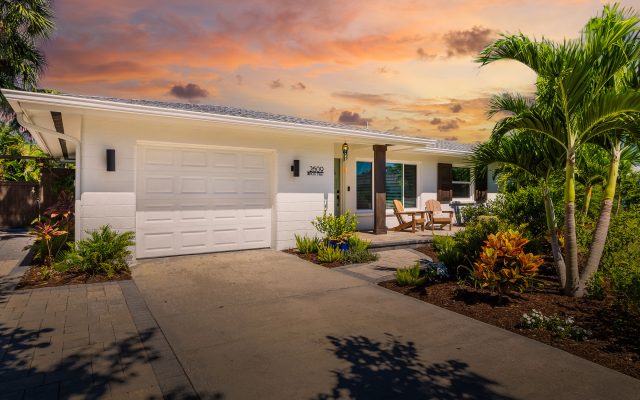
Located on Florida’s Gulf Coast across Sarasota and Manatee counties, more than half of homeowners in North Port-Bradenton are age 65 and older. The region offers retirees options ranging from beachfront living to more affordable inland homes. Older residents hold $97 billion in real estate value out of the area’s $174 billion total.
Naples-Marco Island, FL
- Real estate value held by homeowners 65+: $70 billion
- Share of homeowners 65+: 57%
- Median home price: $749,000
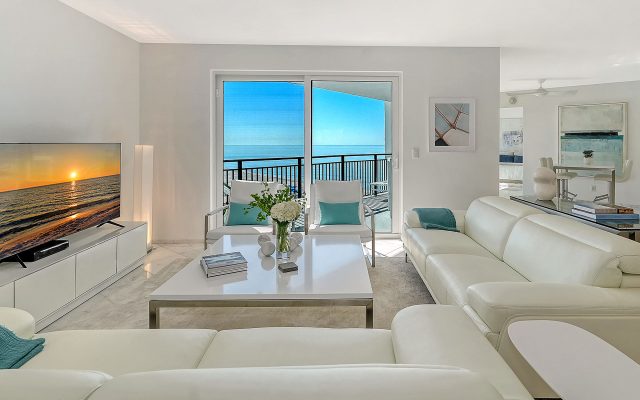
Naples-Marco Island, often called the Paradise Coast, is famous for its white-sand beaches, luxury amenities, and prolific golf courses. The region offers high-end waterfront properties, reflected in a median home price of $749,000. Homeowners aged 65 and up control $70 billion out of $122 billion in local real estate wealth.
Santa Rosa-Petaluma, CA
- Real estate value held by homeowners 65+: $54 billion
- Share of homeowners 65+: 47%
- Median home price: $995,000
Just north of San Francisco, Santa Rosa-Petaluma draws retirees with its celebrated wine country and small-town charm. Nearly half of homeowners are 65 or older, holding $54 billion of the $116 billion in area home value. The median list price approaches $1 million, highlighting the premium for the region’s amenities and lifestyle.
Barnstable Town, MA (Cape Cod)
- Real estate value held by homeowners 65+: $34 billion
- Share of homeowners 65+: 53%
- Median home price: $899,250
Cape Cod’s coastal appeal makes Barnstable Town a perennial retiree favorite, boasting over half its homeowners aged 65 and above. The region’s scenic villages and slower pace attract buyers despite chilly winters and limited new construction, resulting in scarce inventory and a median price just under $900,000. Retirees hold $34 billion of the $64 billion in area home equity.
Prescott-Prescott Valley, AZ
- Real estate value held by homeowners 65+: $27 billion
- Share of homeowners 65+: 58%
- Median home price: $669,000
Prescott-Prescott Valley, nestled in Arizona’s highlands, is famed for its older population. Here, 65-and-up homeowners claim 58% of all homes, corresponding to $27 billion in real estate value out of $47 billion in the region. Retirees enjoy a warm, dry climate and lower insurance costs compared to hurricane-prone states.

When Will the Share of Home Equity Shift to Younger Generations?
As of early 2025, total U.S. owner-occupied real estate is valued at $47.9 trillion, with home equity reaching $34.5 trillion. Baby boomers hold the largest share—up to $19 trillion or more—making them the most equity-rich generation in U.S. history.
Despite the demographic “silver tsunami,” with nearly 12,000 Americans turning 65 every day through 2027, there is little sign that a significant shift in home equity is imminent. Most baby boomers are not in a hurry to sell or transfer their wealth; surveys show nearly half plan to use their wealth to enjoy retirement, and three-quarters expect to leave their home equity to their children rather than divest soon. Many prefer to downsize or relocate rather than fully exit the housing market, and an overwhelming share continue buying and selling property—accounting for 42% of all home buyers this past year.
According to forecasts, the significant transfer of housing wealth from boomers to younger generations is likely to unfold gradually over the next two decades. UBS estimates place the bulk of this intergenerational wealth transfer—including real estate—within 20 to 25 years, as boomers age and estates are settled. For now, boomers’ preference for holding or slowly passing down homes, rather than selling en masse, means their dominance in home equity remains entrenched well into the 2030s.