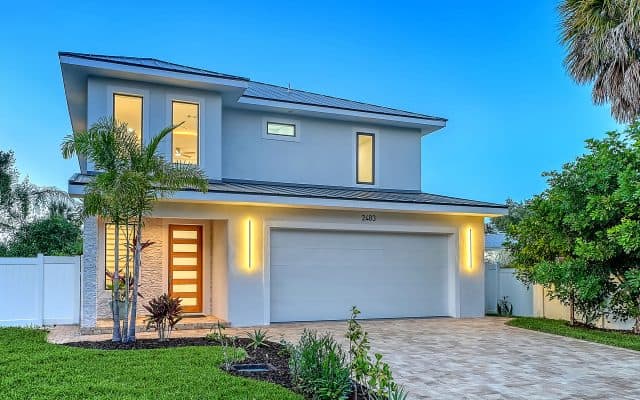
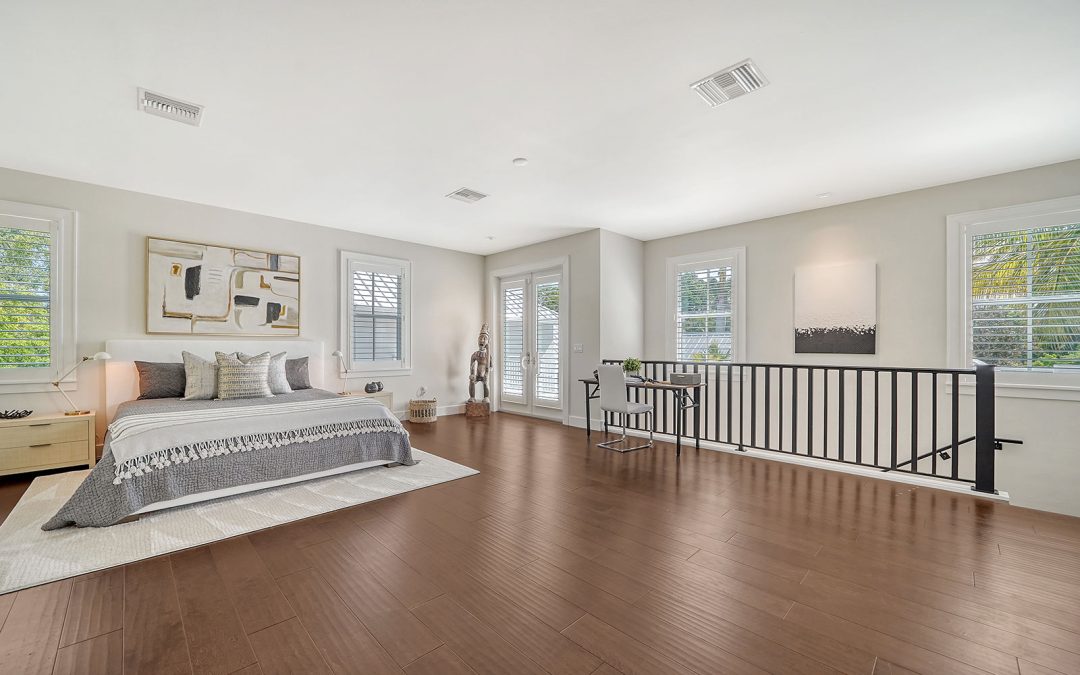
Picture this: Grandma is just across the backyard, close enough to have dinner together every night, but independent enough to keep her own schedule. Your adult son has his own private entrance, his own space to work from home, and isn’t paying $2,000 a month in rent. And your household’s combined income makes that Gulf Coast mortgage a whole lot more manageable.
This is the new Florida dream. And it’s happening across our market in a big way — not just among middle-class families stretching their budgets, but increasingly among high net worth buyers who see multigenerational living as the smartest way to bring a family together, whether that’s year-round or for a season on the Gulf Coast.
Multigenerational living, where two or more adult generations share a home or property, is a significant shift reshaping residential real estate right now. Nationally, nearly 4 million owner-occupied households are multigenerational, representing 4.5% of all homes, up from 4.3% in 2019, according to a new Realtor.com report based on U.S. Census Bureau data. And according to the National Association of REALTORS, 17% of all home buyers purchased a multigenerational home in the most recent survey period — the highest share ever recorded.
Florida isn’t just following this trend. In many ways, we’re leading it.
Why Florida Is a Multigenerational Hotspot
Florida has a combination of factors that make it uniquely suited to this lifestyle shift, and a few that make it more urgent.
We have the oldest population in the country. Florida leads the nation in the share of residents over 65. That translates directly to families navigating decisions about aging parents: do they stay in the Northeast alone, move to a retirement community, or join the family here in the Sunbelt? Increasingly, families are choosing option three: bringing parents south and buying or building a home that works for everyone.
Our demographics drive demand. South Florida’s large and growing Hispanic community, now representing about 27% of the state’s population, has long embraced multigenerational living as a cultural norm. The Realtor.com report specifically calls out Miami and Lakeland as East Coast metros where more than 6% of households are already multigenerational, a meaningful share given how rare this setup is in most of the country.
Housing costs make it a financial necessity for many. Florida’s median home price remains above $400,000 in most metro areas. When two or three generations pool resources toward a single mortgage, they can afford a home, and a community, that none of them could access individually. They also share utility bills, insurance costs and maintenance, which matters a great deal in a state where homeowner’s insurance premiums have nearly doubled in some coastal areas.
Our single-story housing stock fits. Most Florida homes are built on a single level, which is a practical advantage when planning for aging family members. No stairs means better long-term accessibility and less retrofitting down the road.
What a Multigenerational Home Actually Looks Like
A multigenerational home isn’t simply a house with extra bedrooms. The features that make it work are specific, and buyers are increasingly savvy about the difference.
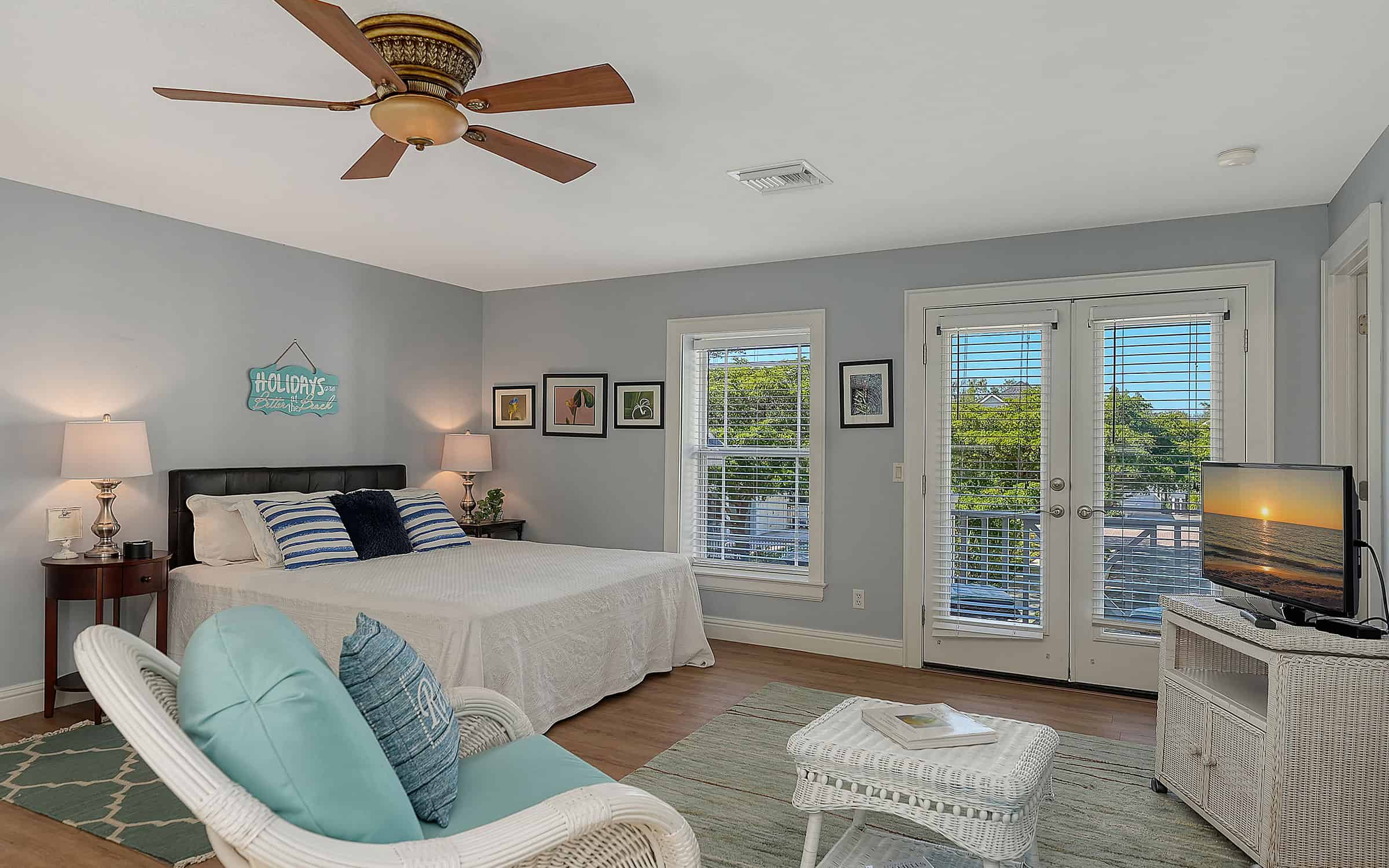
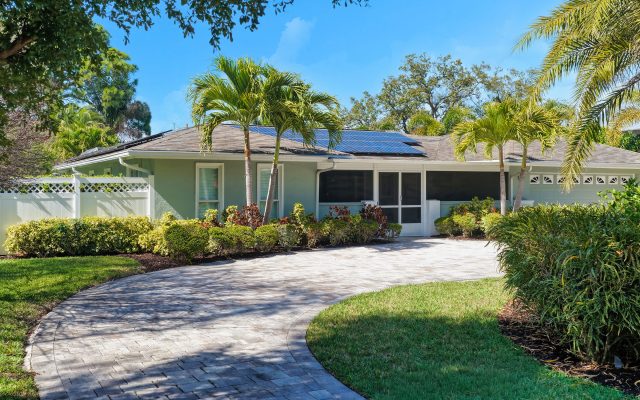
Multi-Generational Studio Apartment in Sarasota's West of Trail
The essentials are a private entrance separate from the main home, a dedicated living area, a private bathroom, and ideally a kitchenette or secondary kitchen. These features allow family members to live independently day-to-day while sharing a property — and a life — with the people they love. Without them, you have a guest bedroom. With them, you have a true multigenerational home.
In our market — Sarasota, Lakewood Ranch, Bradenton, Wellen Park, and along the Gulf Coast — these homes take several forms:
- NextGen-style new construction, like Lennar’s Liberation floor plans available in communities such as Lorraine Lakes, Savanna, and Polo Run in Lakewood Ranch, which feature a fully self-contained suite with its own entrance, living room, kitchenette, and bedroom
- Homes with detached casitas or guesthouses, offering the highest degree of privacy and separation
- Large ranch-style homes with dual master suites or separate wings, popular across Sarasota, Bradenton, and Parrish
- Properties with existing ADUs (accessory dwelling units), or lots with the potential to add one
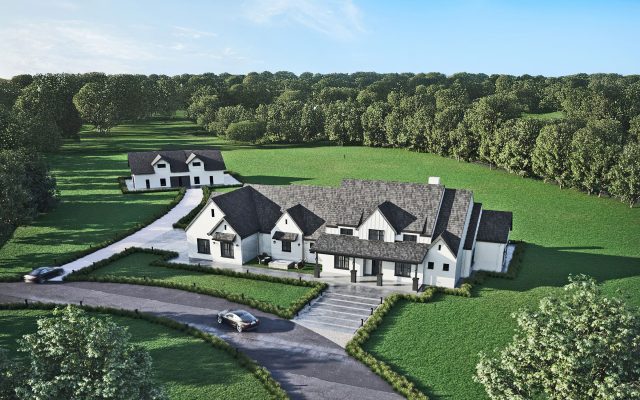
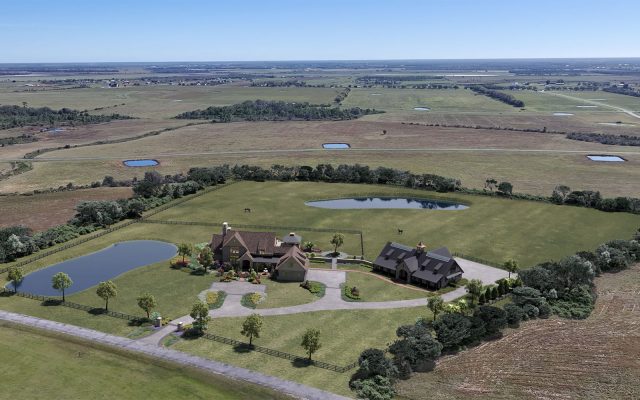
- Luxury estate compounds on larger lots, where the primary residence and one or more fully appointed guest structures create a private, resort-like setting, ideal for high net worth families who want the togetherness of multigenerational living without sacrificing any sense of space or luxury
The ADU Opportunity in Florida
One of the most important developments for multigenerational buyers in Florida right now is the expansion of ADU rights.
Florida has been moving — through both legislative action and local ordinance updates — toward making it significantly easier to add a secondary dwelling unit to a single-family lot. Whether it’s a backyard cottage, a garage apartment or a detached guesthouse, ADUs are increasingly viable across our region.
What makes this matter for families: if you purchase a home without an existing in-law suite, you now have a clearer path than ever before to add one. That changes the appeal on a lot of homes that might otherwise have been dismissed.
Nationally, multigenerational listings — homes marketed with terms like “in-law suite,” “granny flat” or “ADU” — command a 65% price premium over standard listings, with a median list price of $709,000. Even on a per-square-foot basis, they run about 22% higher, reflecting the specialized features buyers are paying for. Yet despite that premium, these homes receive 13.5% more page views than standard listings and sell in the same median timeframe. Demand is meeting supply wherever it exists.
In the South, where multigenerational listings represent about 6% of active inventory, buyers face steep premiums when one does come to market, which only reinforces how valuable these properties are as both a lifestyle choice and a long-term asset.
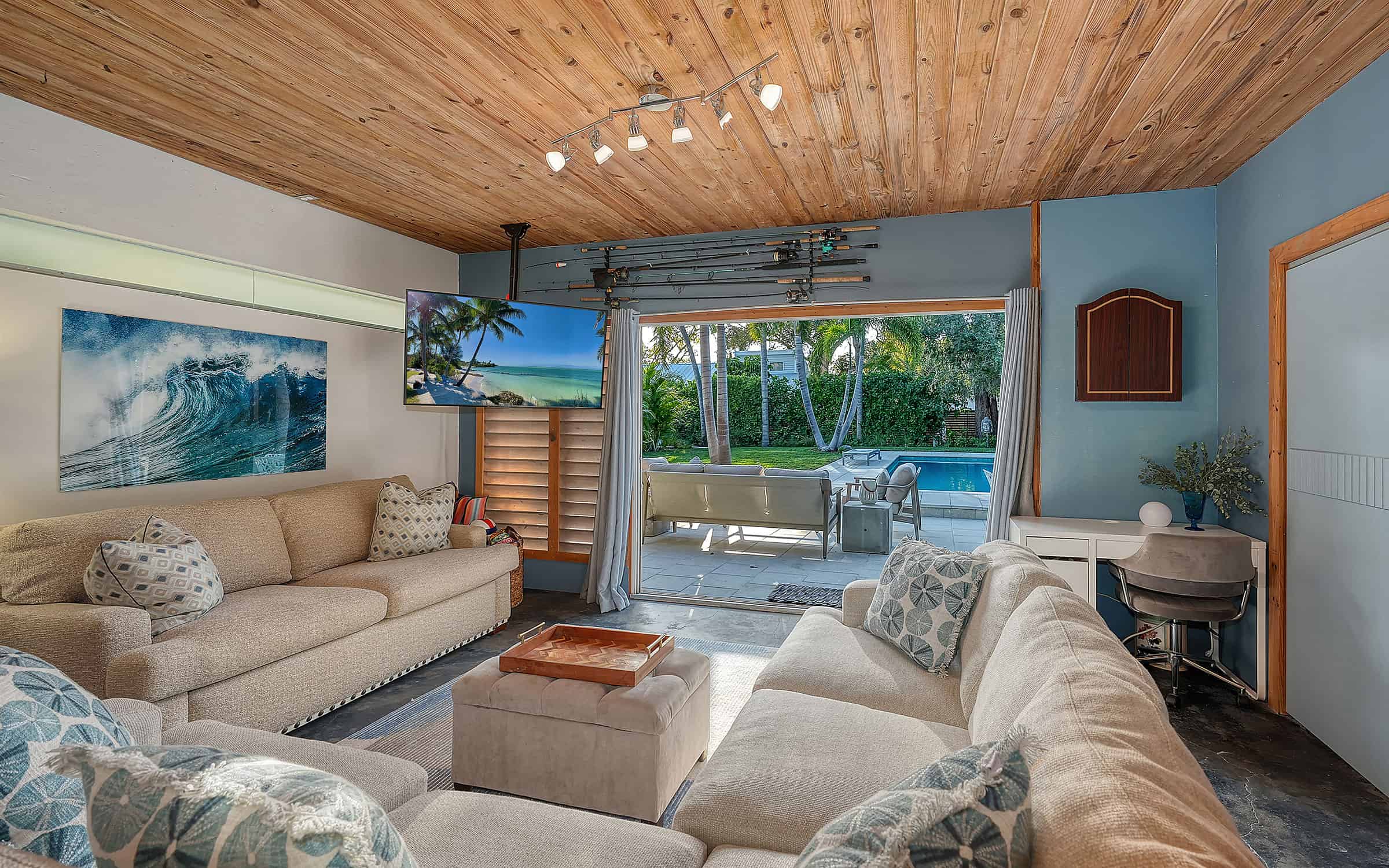
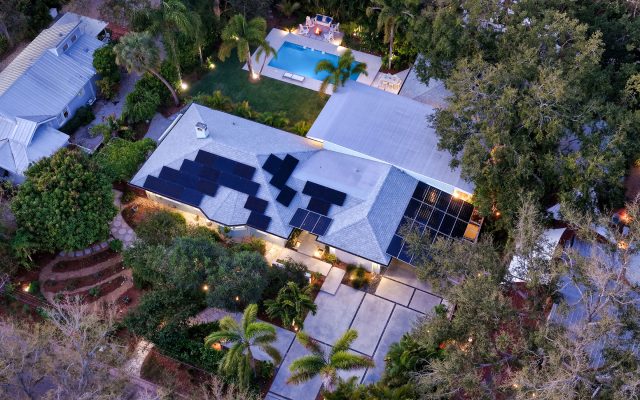
ADU in one of our Sarasota, Florida Listings
Who’s Buying…and Why
The NAR’s 2026 Generational Trends Report tells us that Gen X buyers (ages 46–60) make up the largest share of multigenerational purchasers, with nearly one in five choosing this arrangement. The motivations are layered.
The “sandwich generation” — those simultaneously managing aging parents and adult children who haven’t yet launched financially — are particularly active. They’re looking for homes that can accommodate mom or dad in a private suite while also giving a recent grad a place to land. Adult children carry a median student debt burden of $30,000 and are increasingly turning to family arrangements as a bridge to homeownership. Meanwhile, older parents on fixed incomes benefit enormously from shared costs and the safety net of family nearby.
Caregiving is the other major driver. Whether it’s childcare (grandparents as a built-in resource) or eldercare (bringing aging parents into the family orbit), the economics of both have become nearly unworkable for middle-class families going it alone.
The Realtor.com report puts it plainly: the typical multigenerational household has five family members sharing a four-bedroom home, with a median annual household income of $131,000. These are not fringe buyers. They’re mainstream American families adapting to economic realities.
The High Net Worth Multigenerational Buyer
There’s another buyer in this conversation who often goes unmentioned: the high net worth family for whom multigenerational living isn’t a budget strategy, it’s a lifestyle choice.
These buyers are typically successful professionals or business owners in their 50s and 60s, often with grown children and aging parents of their own. They have the resources to house everyone separately. What they want is to bring everyone together.
For this segment, multigenerational living takes two distinct forms in Florida.
The year-round estate.
Some high net worth families are relocating to Sarasota, Lakewood Ranch and the surrounding Gulf Coast communities full-time, and they want a property that can accommodate an extended family under one roof. That means a primary residence of 5,000 to 8,000 square feet or more, a fully appointed guest house or separate cottage, a pool and outdoor living area that functions as a shared gathering space, and enough privacy built into the layout that multiple generations can coexist comfortably on a daily basis. Separate wings, private entrances, and distinct outdoor spaces are as important as the main home’s finishes.
The multigenerational vacation compound.
Florida’s Gulf Coast has long attracted wealthy Northern families seeking seasonal warmth. Increasingly, those buyers aren’t looking for a single luxury condo or a second home, they’re looking for a property that gives the whole family a place to gather. A beachfront or waterfront estate with a main residence and one or more guest structures lets grandparents, adult children and grandchildren all arrive for the season and inhabit the same property without crowding each other. Longboat Key, Casey Key, Bird Key and Siesta Key are all well-suited to this format, with estate-scale lots and existing compounds that rarely come to market. When they do, they command significant premiums and they move quickly.
What distinguishes the high net worth multigenerational buyer is that price-per-square-foot is rarely the primary concern. What they’re evaluating is whether the property can sustain their family’s life across seasons, across generations, and across decades. The right layout, the right location, and the right level of privacy and connectivity between structures matter far more than the sticker price.
If this describes your family’s vision, it’s a conversation worth having before you start your search. Properties that check all of these boxes are rare, and knowing what you’re looking for before one comes to market is the only way to be ready when it does.
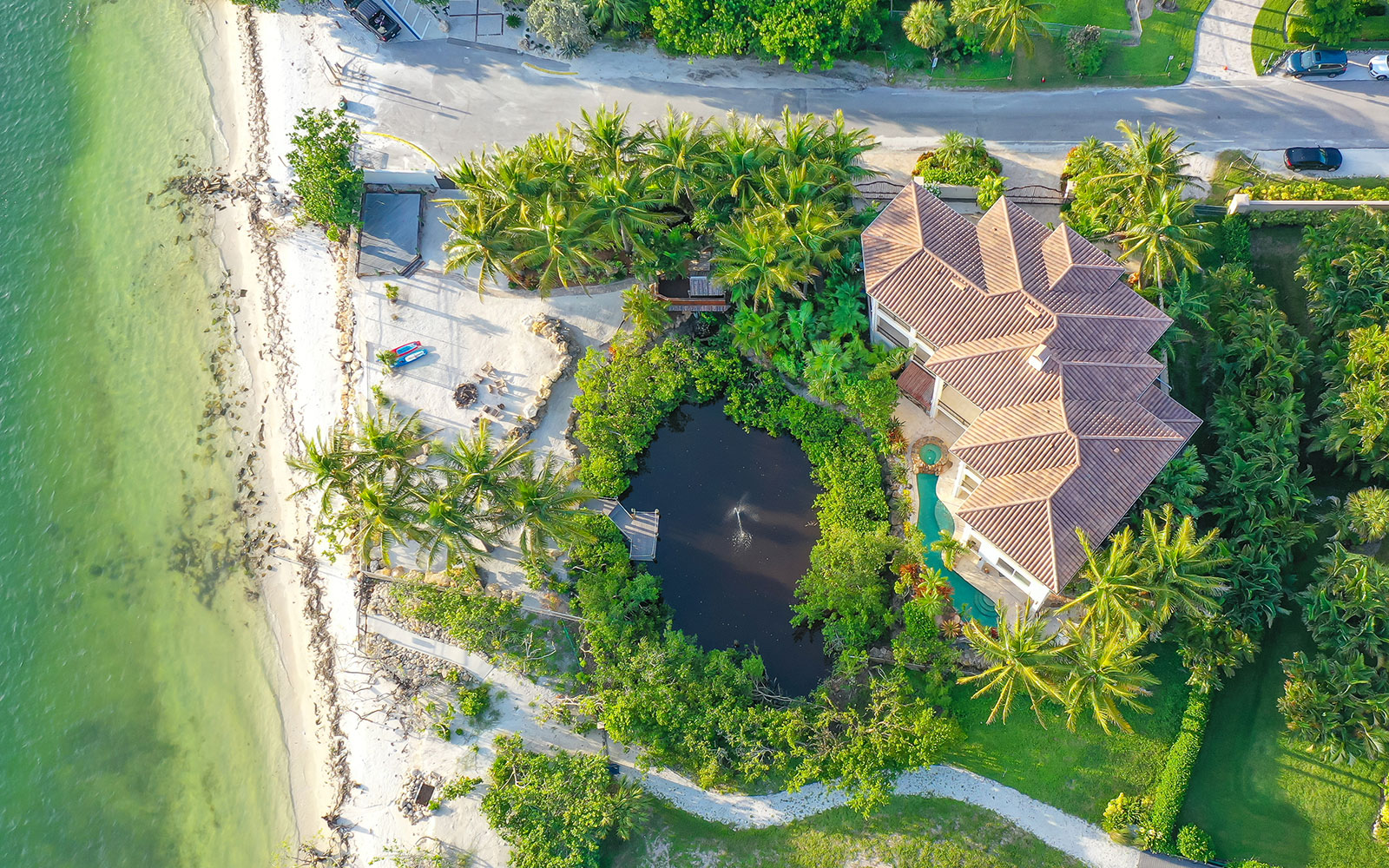
Multi-Generational Beach Compound in Sarasota
The Financial Case
Beyond the emotional benefits, the financial logic is compelling.
Two households sharing one mortgage, one insurance policy, one utility account, and one maintenance budget can dramatically reduce per-person housing costs. In a high-cost coastal market like ours , where insurance alone can run $5,000–$30,000 annually, that shared burden is material.
There’s also the asset-building dimension. A multigenerational home on a lot where an ADU can be added gives a family optionality: use it for family now, convert to a rental later, or sell a home that commands significant market premium. Lakewood Ranch, one of the country’s most active master-planned communities, has been named America’s top-selling multigenerational community for seven consecutive years, a signal that the market here already understands this value.
What to Look for When You’re Buying
If multigenerational living is part of your plan, whether now or down the road, here’s what we focus on when helping families find the right property:
Prioritize the floor plan first. Unlike most buyers who start with location and community, multigenerational buyers should start with the floor plan itself. The layout can make or break the arrangement. A separate suite that feels truly private is non-negotiable for long-term comfort.
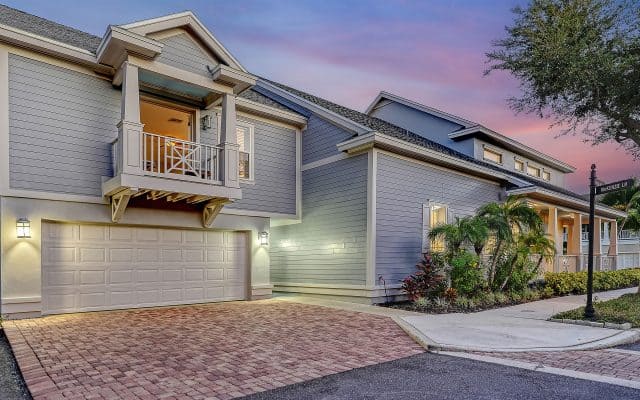
Think about accessibility from day one. If aging parents are part of the picture, avoid ADU setups above garages or any configuration that requires stairs for long-term use. Single-story living with wide doorways, a step-free entrance, and a ground-floor suite will serve the family for decades.
Understand zoning and HOA rules. Not all communities allow ADUs, and HOA covenants can prohibit secondary dwellings even where county zoning would otherwise permit them. We always verify this before a client gets attached to a property.
Look at resale through a multigenerational lens. In markets like ours, where a growing demographic of retirees relocating from the North needs to be close to family, a well-configured multigenerational home has genuine resale appeal. You’re not just buying a home, you’re buying a solution many future buyers will be actively seeking.
The Bottom Line
Multigenerational living isn’t a compromise. For the right family, it’s the smartest housing decision on the board — financially, practically and personally. And in Florida, with our aging population, our cultural diversity, our expanding ADU opportunities, and our single-story housing stock, the conditions for this lifestyle couldn’t be better.
If your family is navigating this conversation, we’d love to help you think it through. Let’s talk about what the right home looks like for your family.
Sources: Realtor.com® Multigenerational Living Report (May 2026); NAR 2026 Home Buyers and Sellers Generational Trends Report; NAR 2024 Profile of Home Buyers & Sellers; U.S. Census Bureau American Community Survey 1-Year Data (2024); Florida Housing Coalition; HousingWire.
The Laughlin Tanner Group is a member of the National Association of REALTORS®.