What Florida’s House Bill 803 means for homeowners and contractors — and how to stay ahead of expiration.
Florida House Bill 803, signed into law on May 6, 2026 and effective July 1, 2026, is enrolled as Chapter 2026-63, Laws of Florida. It is the most significant overhaul of Florida’s building permit system in decades.
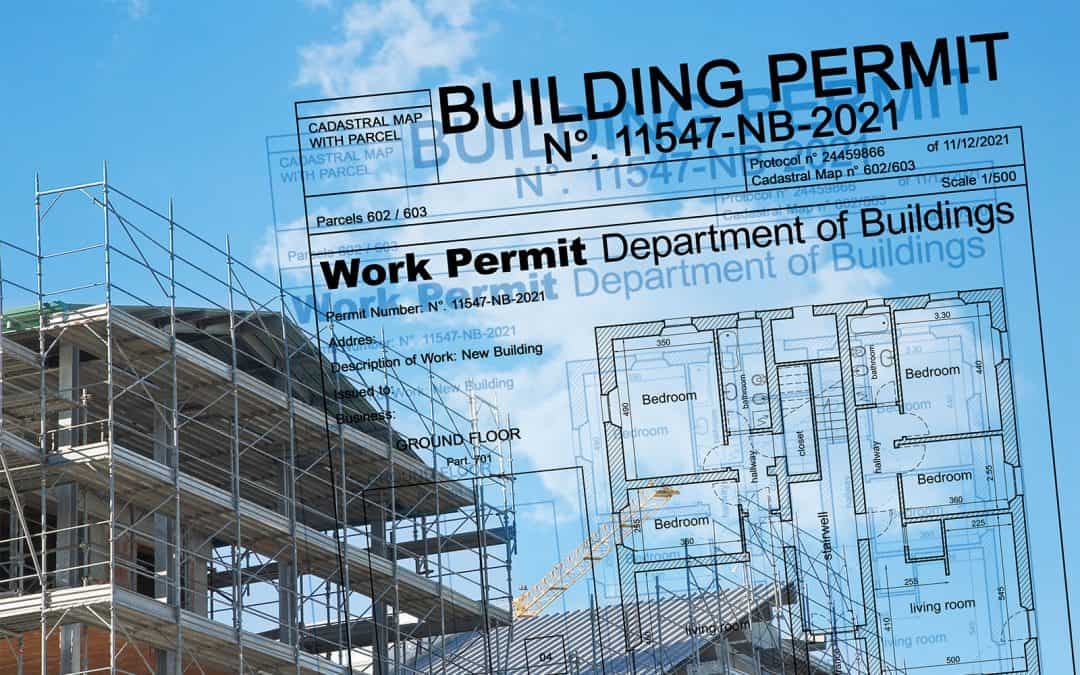
Under Florida House Bill 803, building permits for single-family dwellings now expire 1 year after the date of issuance, or on the effective date of the next edition of the Florida Building Code, whichever is later. Before the new bill, permits expired in 180 days. Local governments retain the discretion to grant permit extensions for good cause. [1, 2]
The one-year deadline appears in two places in the enrolled bill text:
Section 1 (amending s. 125.56 — for counties specifically), at lines 164–169: “A building permit issued by a county for a single-family dwelling expires 1 year after the issuance of the permit or on the effective date of the next edition of the Florida Building Code, whichever is later.”
Section 8 (amending s. 553.79 — for local governments broadly), at lines 397–402: “A building permit issued by a local government for a single-family dwelling expires 1 year after the issuance of the permit or on the effective date of the next edition of the Florida Building Code, whichever is later. However, this paragraph does not prevent a local government from extending a building permit beyond the expiration date.”
No More Surprise Expirations
One of the more practical additions in HB 803 is a formal notice requirement. Local building departments must now provide advance written notice to both the property owner and the listed contractor no less than 30 days before a permit expires. That notice will arrive via email or standard USPS mail.
This is a meaningful protection. An expired permit can halt construction, require re-inspection, or trigger costly re-application fees. The 30-day window gives owners and contractors time to either wrap up work or request an extension before the deadline passes.
What This Means for You
Whether you’re a homeowner planning a new build or a contractor managing multiple projects, a few things are worth keeping in mind:
- Track your issuance date. The one-year clock starts the day the permit is issued, not when construction begins.
- Keep contact info current. The notice goes to the property owner and listed contractor on file. Make sure your email and mailing address are up to date with the local building department.
- Extensions are available. If you need more time, local governments can grant extensions for good cause. Don’t wait until after expiration to ask.
Read the Full Bill
You can review the complete legislative text and provisions on the Florida Senate CS/CS/HB 803 Bill Page.