
Guidance from Berlin Patten Ebling, the Laughlin Tanner Group’s longtime closing law firm.
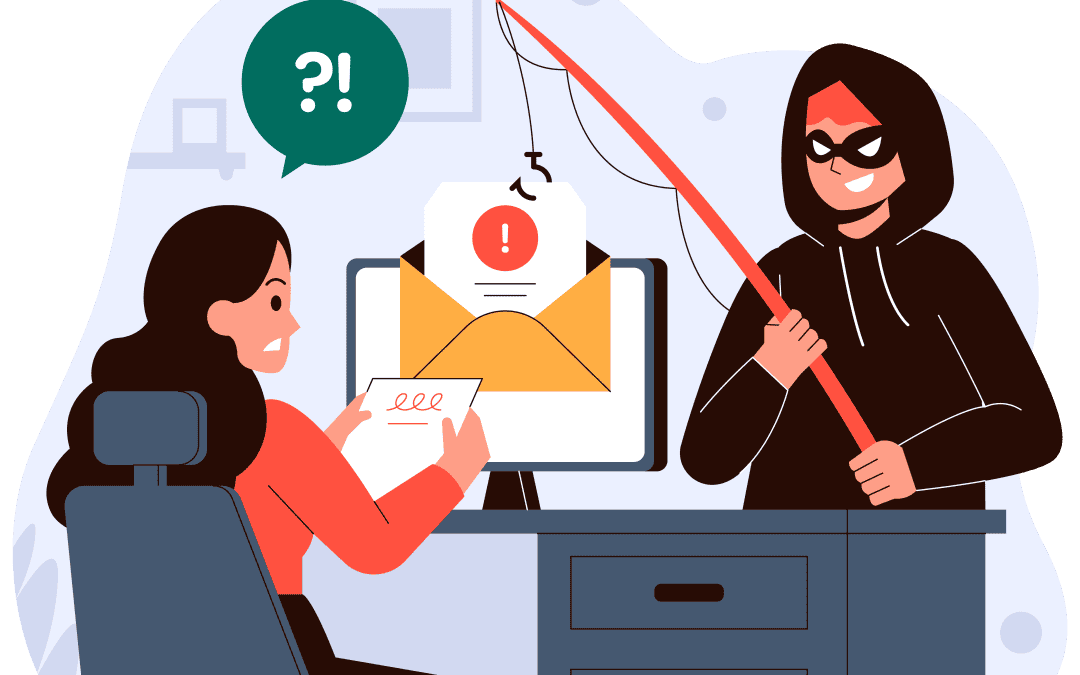
Wire fraud remains a serious concern in residential real estate transactions. Criminals can intercept communications among parties involved in a closing and use information about the transaction to send fraudulent wiring instructions.
The Laughlin Tanner Group has worked closely with the attorneys at Berlin Patten Ebling for over 10 years. In a recent article, attorney Matt Queirolo identifies six warning signs buyers and sellers should recognize.
Six Warning Signs of Wire Fraud
- Last-minute changes. Unexpected revisions to previously provided wiring instructions.
- Suspicious email addresses. Small differences in an otherwise familiar email address or domain.
- Pressure to act immediately. Messages demanding urgent payment or confidentiality.
- Unfamiliar phone numbers. Contact information that differs from previously verified numbers.
- Changes in established procedures. Requests that don’t follow the closing company’s stated process.
- Convincing impersonations. Calls or messages that appear authentic, potentially using AI-generated voices or spoofed caller identification.
One Essential Precaution
Before wiring funds, contact the closing company using a telephone number obtained independently of the wiring instructions. Confirm the receiving bank, account holder, routing number and account number directly with the company.
Berlin Patten Ebling also recommends confirming wiring procedures early in the transaction and remaining alert to unexpected communications.
Additional Guidance from Berlin Patten Ebling
For more information, read Wire Fraud Red Flags: 6 Critical Signs Before You Wire, by Matt Queirolo, Esq., published November 12, 2026.
This article summarizes information provided by Berlin Patten Ebling and is intended for general educational purposes, not legal advice. Follow the verification procedures established by your closing company.